


Is Your Pet Ready for Summer? A Dog Walker's Real-World Safety Guide for Dogs and Cats

Updated: Jun 9
Summer is one of my favorite seasons to spend with animals. The longer days, the outdoor adventures, the sheer joy of a dog trotting through a warm evening — it's hard to beat. But as a pet parent of over 30 years and a professional dog walker and pet sitter here in Pittsburgh, I can tell you that summer also brings a whole set of hazards that can sneak up on even the most attentive pet parents. In my first year of business I've walked and cared for more dogs and cats than I ever owned myself, and combined with three decades of loving animals of my own, I've built up a lot of real-world knowledge about keeping pets safe when the heat hits.
This isn't a list of obvious reminders. You already know to keep your pets hydrated. What I want to share are the summer pet safety tips I've learned the hard way — watching for signs of heatstroke on city walks, navigating toxic plants and yard chemicals, managing fireworks anxiety, dealing with fleas, ticks, and yes, one afternoon when my own dog snapped up a bee before I could stop her. That experience taught me more than any article ever could.
Let's get into it.

Fireworks and City Noise: The Anxiety You Can't Always See
Summer means outdoor events, holiday celebrations, and in cities, a near-constant backdrop of noise — fireworks, construction, festivals, loud traffic. For many dogs and some cats, this is genuinely distressing, not just mildly annoying.
What I've noticed walking dogs in busy urban environments is that anxiety doesn't always look like cowering or shaking. Sometimes it looks like a dog who suddenly can't focus, pulls hard toward home, pants heavily even on a cool evening, or refuses to eliminate on a walk they normally enjoy. These are stress signals, and they matter.

For dogs:
Start preparing before the Fourth of July, not the night of. Talk to your vet about calming options — whether that's a prescription anti-anxiety medication, an OTC supplement, or a pressure wrap like a Thundershirt. These work best when introduced in advance, not in the middle of a panic.
Create a safe den space inside — a crate with familiar bedding, in an interior room away from windows. Many dogs self-soothe when they have somewhere to retreat.
If you're walking a dog in the city during peak noise periods, shorten the route, stay calm yourself (dogs read our energy), and be ready to redirect their attention.
Never leave an anxious dog in the yard unsupervised during fireworks. Dogs in acute panic have jumped fences they've never attempted before.
For cats:
Indoor cats should have their safe spaces reinforced — a covered bed, a quiet room, a hiding spot under a bed. Don't force them out or try to comfort them if they prefer to hide. Let them self-regulate.
Outdoor or indoor-outdoor cats should be brought inside before dusk on major holiday nights. Lost-pet reports spike dramatically around the Fourth of July because startled cats bolt and become disoriented.
Make sure microchip information is current before summer begins.
If your pet struggles with summer anxiety, having a calm, familiar caregiver at home can make all the difference. Learn more about in-home pet sitting with Pawsh Pet auPairs.
Fleas, Ticks, and the Products We Use to Fight Them
Fleas and ticks are a genuine summer threat, but in my experience, some of the risks pet owners face come from the prevention products themselves — specifically, using the wrong product, using it incorrectly, or assuming "natural" means safe.
What I always tell clients:
Talk to your vet before choosing a flea and tick preventative. Not because you need a prescription for everything, but because the right product depends on your pet's size, age, health status, and your local tick population. A product that's fine for a healthy 60-pound Labrador may be dangerous for a small dog, a senior dog, or a cat.

This brings me to one of the most important warnings I give cat owners: never use any flea or tick product on a cat that is labeled for dogs only. Permethrin, a common ingredient in many dog flea products, is highly toxic to cats. Even a small amount — including contact with a recently-treated dog — can cause serious neurological symptoms in cats. Always read the label. Always.
On timing with yard treatments:
If your yard is treated for fleas, ticks, or other pests, keep pets off the lawn for longer than the product label suggests as the minimum. Labels often give the shortest possible window for liability purposes, but grass can retain chemicals for longer depending on weather and soil type. When in doubt, wait an extra day and water the area well before letting pets back out. When I'm pet sitting and a client mentions they've had their yard sprayed, I always ask for the product name and confirm the safe re-entry window before I let any pet near that grass.
Checking for ticks:
After every outdoor outing in wooded or grassy areas, run your fingers through your pet's coat — especially around the ears, between toes, around the collar, and in the groin area. Ticks are small and easy to miss visually. Early removal dramatically reduces the risk of tick-borne illness transmission.

Bees, Wasps, and Stings: What Actually Happens and What to Do
I'm personally allergic to bee stings, so I've always been vigilant about bees around the animals in my care. But this topic became very real for me the day my dog snapped up a bee off the ground before I could redirect her.
My heart dropped. I called my vet immediately — I didn't wait to see if something happened. The vet told me to watch closely for signs of an allergic reaction: swelling around the face or throat, difficulty breathing, hives, vomiting, or sudden weakness. She said I could give my dog half a Benadryl tablet (plain diphenhydramine — NOT the formulas with decongestants or other added ingredients) if I saw any respiratory distress. As a precaution, I gave it to her anyway. She was completely fine.
That experience changed how I walk dogs. Now, if I see bees clustering around something a dog is sniffing — a flower bed, a patch of clover, a fallen piece of fruit — I redirect immediately. I don't wait for the sniff to go further.
What you need to know:
Dogs and cats can be stung anywhere, but mouth and throat stings or ingestions are most concerning because swelling there can affect breathing.
A single sting in a non-allergic pet typically causes localized swelling and discomfort, not a medical emergency — but watch closely for the first hour.
Signs of a serious allergic reaction (anaphylaxis) include sudden swelling of the face, difficulty breathing, pale gums, collapse, or vomiting shortly after a sting. This is an emergency — go to a vet immediately.
I am not a veterinarian, so I cannot recommend any specific over-the-counter medication for your pet. What I will say is this: call your vet before giving your pet anything — even products that seem harmless. The right medication, dosage, and formulation depends on your individual pet's weight, health history, and the situation. Your vet can walk you through exactly what to do and what to avoid.
Prevention: Avoid walking dogs through patches of clover or wildflowers during peak bee hours (mid-morning through afternoon). Discourage sniffing at fallen fruit or flowering ground cover. A solid "leave it" command is genuinely useful here.
Have questions about how I keep your pet safe on every visit? Get in touch with Pawsh Pet auPairs — I'm happy to walk you through my approach before you book.
Yard Chemicals and Toxic Plants: The Summer Hazards Right Outside Your Door
Summer yards can be a minefield of invisible hazards. Here's what I watch for when I'm caring for pets in any outdoor space.
Lawn and garden chemicals:
Herbicides, fertilizers, pesticides, and weed killers can all be dangerous if a pet walks through treated grass and then licks their paws — which dogs do constantly. Many of these products look completely dry on the grass and still leave residue.
Slug and snail bait (metaldehyde) is extremely toxic to dogs and cats and unfortunately smells attractive to them. If you use it, use pet-safe alternatives.
Cocoa mulch, sometimes used in garden beds, smells like chocolate to dogs and contains theobromine — the same compound that makes chocolate toxic. Avoid it if you have dogs.
When in doubt about a product's safety, call the ASPCA Animal Poison Control Center: (888) 426-4435. They have a fee for consultations but it's worth it.

Common toxic plants that peak in summer:
Several popular summer plants are toxic to dogs and/or cats, and many of them grow beautifully right here in the Pittsburgh area. A few to be especially aware of in Zone 6 gardens and yards:
Lily of the Valley — extremely toxic to both dogs and cats; causes heart rhythm problems and can be fatal
Lily varieties (Easter lily, Tiger lily, Day lily) — highly toxic to cats specifically; even small amounts can cause acute kidney failure
Foxglove — toxic to both dogs and cats; affects the heart and is commonly found in cottage-style gardens
Azalea and Rhododendron — both are extremely popular landscaping shrubs in Western PA and both are toxic to dogs and cats; can cause vomiting, low blood pressure, and heart issues
Wild black cherry — the pits and wilted leaves contain cyanide compounds; trees are common throughout the Pittsburgh region
Pokeweed — a native plant that grows aggressively in PA yards and along fences; all parts are toxic, and the berries are especially dangerous to dogs
Monkshood (Aconite) — sometimes grown in perennial beds; highly toxic to both dogs and cats
Autumn crocus — blooms later in summer; can cause severe gastrointestinal and multi-organ damage
I always do a quick scan of a new client's yard before I let their pet roam freely. If you're unsure about a plant in your yard, the ASPCA has a comprehensive toxic plant database at aspca.org.

Heat: The Danger That Builds Quietly
I would be doing you a disservice if I ended without addressing heat, because it's the summer risk that can turn fatal the fastest — and it doesn't require extreme temperatures to become dangerous.
Dogs cool themselves primarily through panting, which is far less efficient than sweating. Cats pant too when overheated but are generally more heat-avoidant by nature. Both can suffer heatstroke in conditions that might feel merely uncomfortable to us.
What I practice and recommend:
Early morning and evening walks are the gold standard — pavement temperatures are lower, the sun is less intense, and your dog will have more energy to enjoy the outing. At midday on a sunny summer day, asphalt can reach 140–160°F — hot enough to cause paw pad burns in under a minute.
The back-of-hand test: press the back of your hand to the pavement for seven seconds. If you can't hold it there comfortably, it's too hot for your dog's paws.
That said, I know real life doesn't always allow for perfectly timed walks. If you do have to walk your dog in the middle of the day, here's what I do: shorten the route significantly, stick to shaded streets and tree-lined paths wherever possible, bring water for both of you and offer it frequently, and watch your dog closely the entire time. I personally shorten walks whenever the temperature climbs above 90°F, no exceptions. Your dog will tell you if they're struggling — heavy panting, slowing down, seeking shade — and when they do, it's time to head home.
Flat-faced breeds (Bulldogs, Pugs, French Bulldogs, Persian cats) are at significantly higher risk in heat due to their compromised airways. Shorten their outdoor time and watch them closely regardless of what time of day you're walking.
Senior pets, overweight pets, and pets with heart or respiratory conditions also need extra caution.
Signs of overheating: excessive panting, drooling, red or dark pink gums, stumbling, glassy eyes, vomiting. If you see these, move your pet to a cool area immediately, offer water (don't force it), apply cool (not ice cold) water to their paws and underbelly, and get to a vet.
Never leave a pet in a parked car. On an 85°F day, the interior of a car can reach 102°F within ten minutes, and 120°F within thirty. Cracking a window does not meaningfully reduce this. This is non-negotiable.
Wondering how I handle summer walks for your dog? See how professional dog walking in Pittsburgh works at Pawsh Pet auPairs.
Summer Pet Safety: A Final Word
I've been doing this work long enough to know that pet safety isn't about fear — it's about awareness.
Summer is wonderful for pets and the people who love them. A dog who gets regular outdoor time, mental stimulation, and quality care is a happy dog. A cat who has safe spaces and attentive guardians thrives.
The goal is to enjoy the season fully, with eyes open to the hazards that are genuinely there. Redirect the dog near the bees. Read the label on the yard spray. Know your vet's after-hours number before you need it. Keep that emergency vet address in your phone.
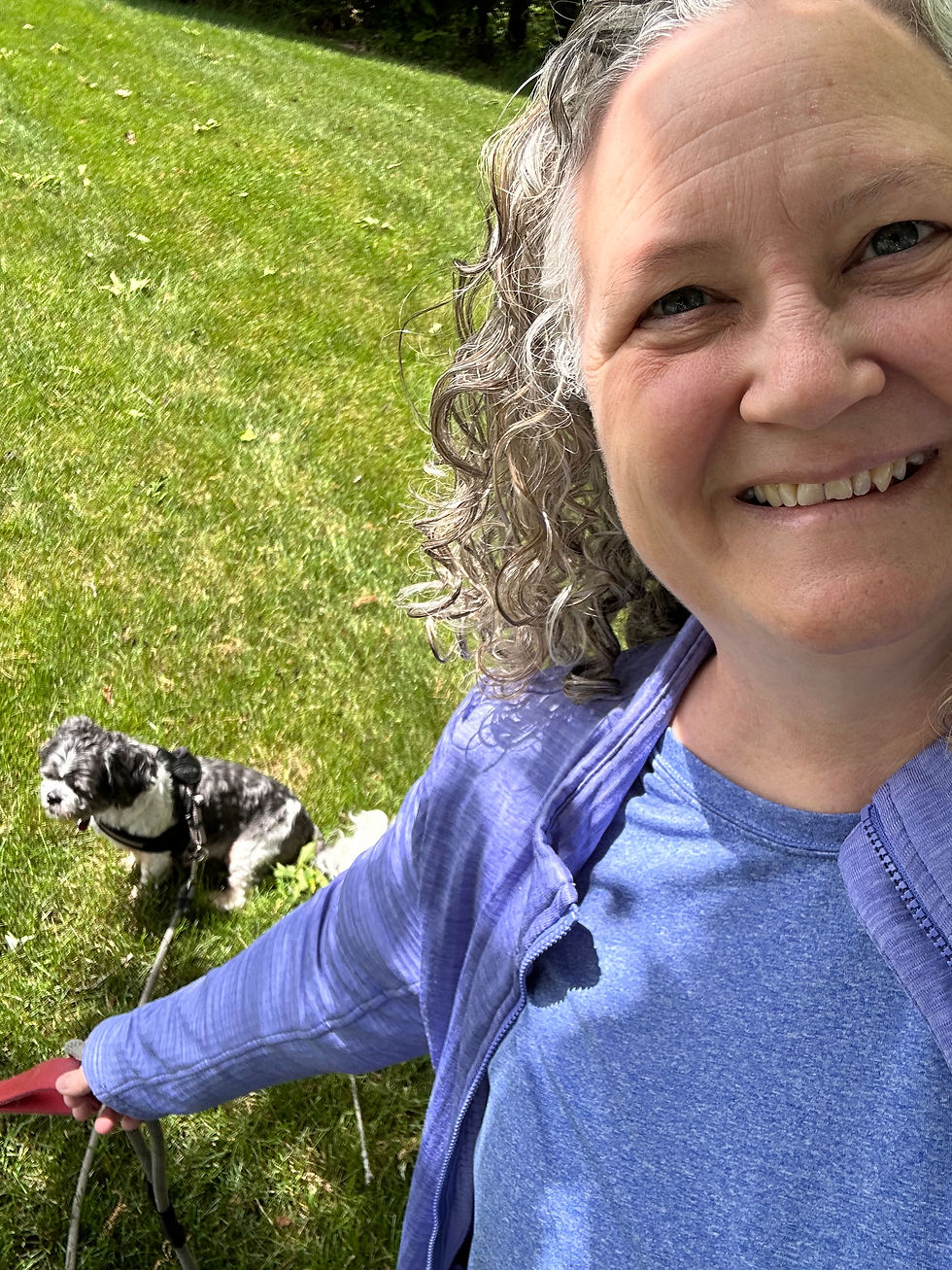
If you have questions about summer safety specific to your pet, learn more about Pawsh Pet auPairs — or you can bring them to your veterinarian, who knows your individual animal best.
Here's to a safe, fun summer for every dog, cat, and the humans who adore them.
Have a summer pet safety question or story to share? Drop it in the comments below.


Comments